



Why Science Is for Everyone: Inspiring the Next Generation of Curious Minds
Abigail Blessing / Academic
Great science education starts somewhere much simpler: wondering why.
19 August 2026
I have always loved science.
My childhood was probably an early indication of where I was heading. My mum was a wildlife carer and vet nurse, so having baby kangaroos around the house was completely normal. I had a pet wombat called Harry who would sit beside me on the couch on a Friday night. From a young age, I became fascinated by animals, how they worked, how we could care for them and what made them unique.
That curiosity eventually led me to genetics, biology and psychology, and ultimately to teaching science.
It is that same sense of curiosity that I hope we nurture in every student at St Andrew’s.
Science begins with a question
When we talk about science education, it is easy to think about subjects, textbooks, experiments and exams. These are important, but for me, great science education starts somewhere much simpler: wondering why.
Why does that happen?
What would happen if we changed this?
How do we know that is true?
Can we prove it?
Science gives students the tools to investigate those questions for themselves. They learn to observe, test, question evidence, make mistakes, try again and draw conclusions based on what they discover.
That is particularly important in the world our young people are growing up in. We are surrounded by information, opinions and claims, particularly through social media and digital platforms. Students need to know how to distinguish an assertion from evidence and how to investigate whether something is actually true.
Science helps develop that mindset: don't simply take something at face value. Ask questions. Seek evidence. Test it. Look at different sources. Make your own informed conclusions.
These are skills that extend well beyond the science classroom.
Science is hands-on, challenging and connected to the real world
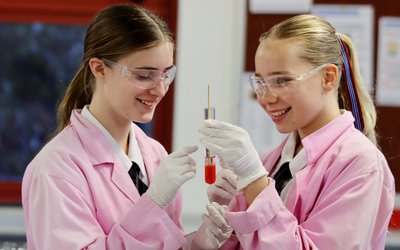
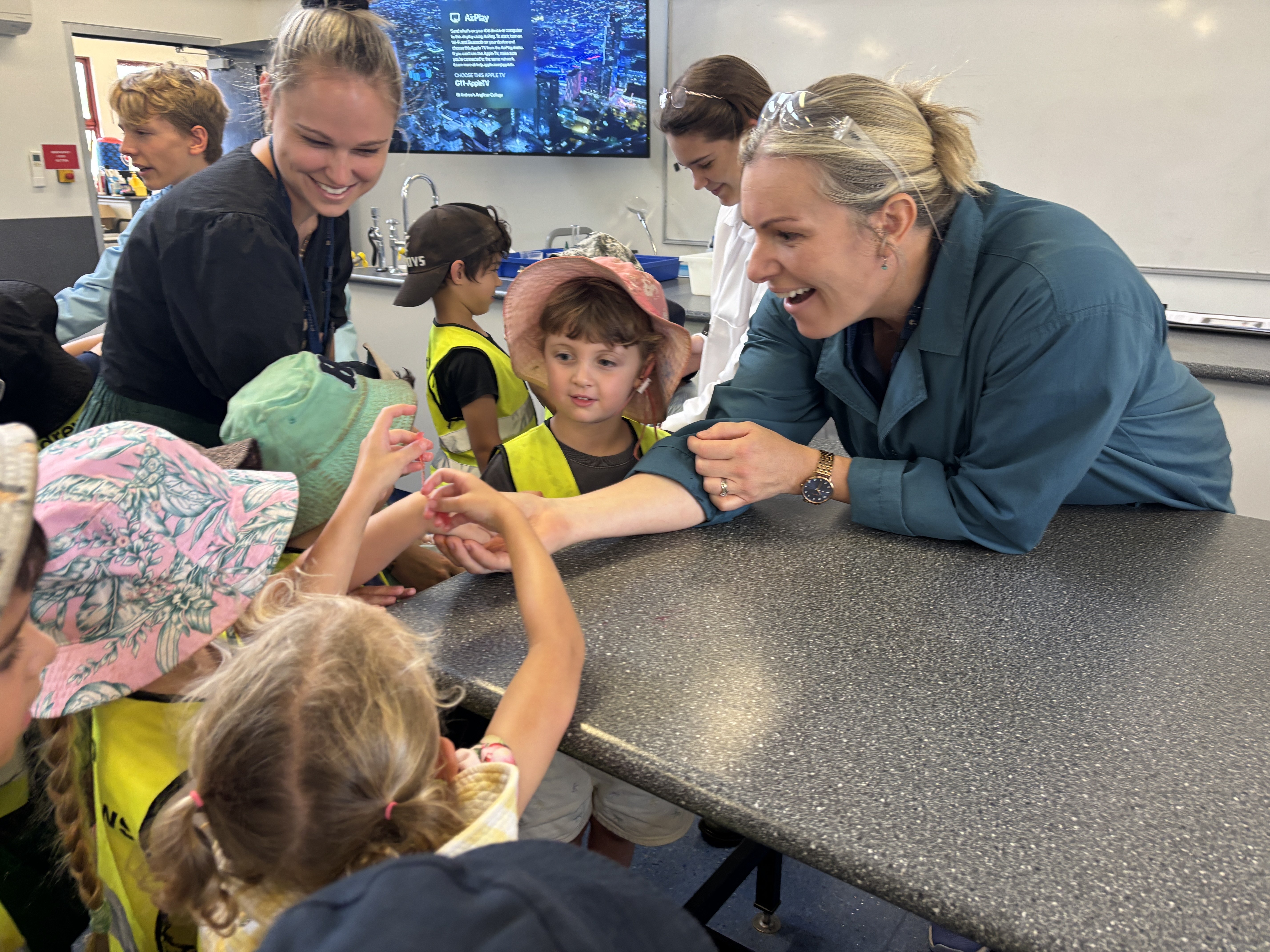
At St Andrew’s, we want students to experience science rather than simply learn about it.
That means opportunities to investigate, experiment, problem-solve and make sense of the world around them. It means giving students permission to be curious and, importantly, to make mistakes.
One of my favourite Science Week memories came from our Decoding the Universe activities, when Mr Bowen and I imploded a 44-gallon drum. Nobody believed we could do it - and then we did.
It was spectacular.
But the real value wasn't simply watching something impressive happen. Experiences like this create questions. They give students something tangible to think about, investigate and explain. They make science memorable.
This is what we want for our students: science that sparks a reaction, starts a conversation and leaves them wanting to know more.
There is no single kind of scientist
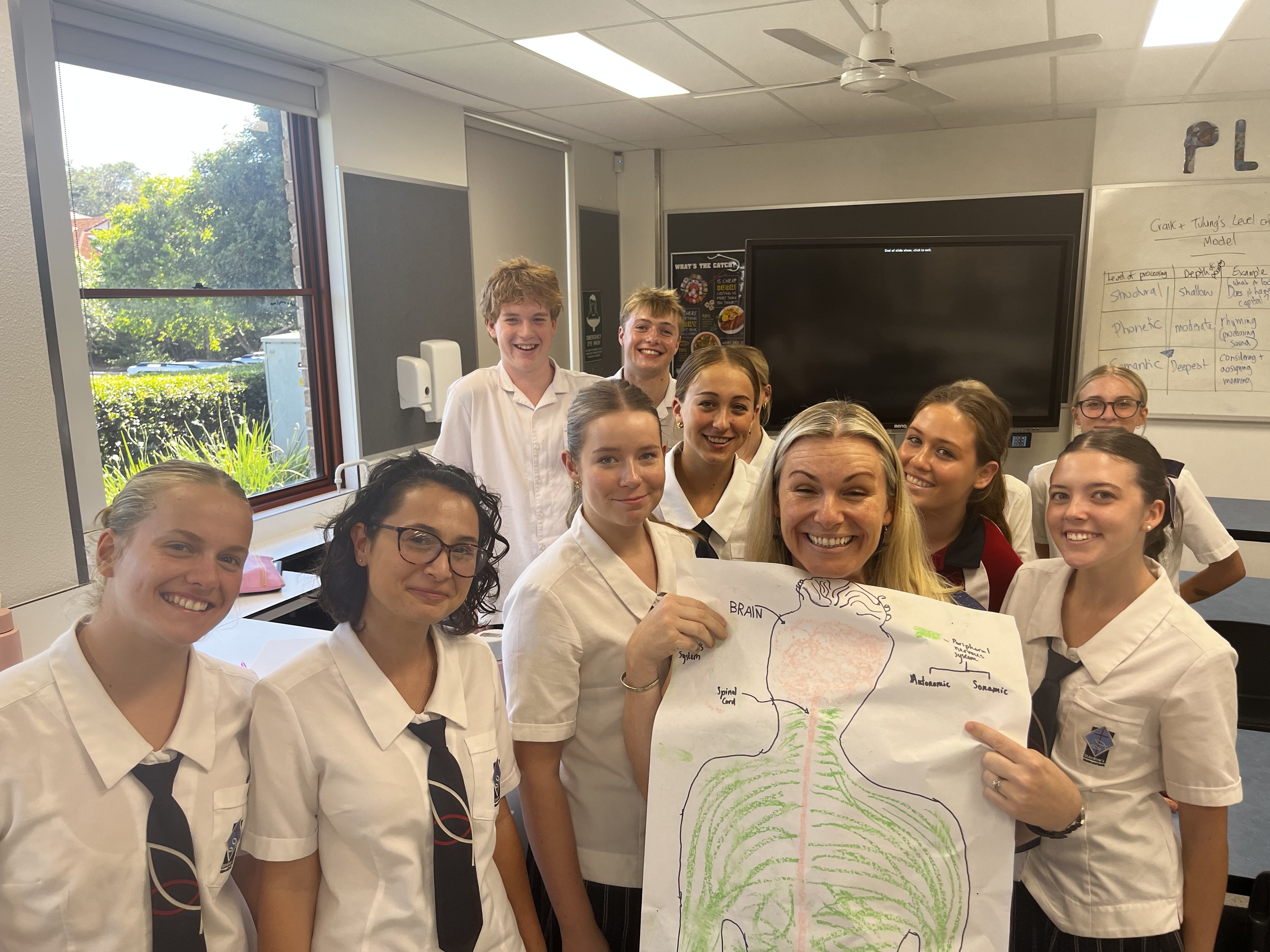
One of the things I am particularly passionate about is helping students understand just how broad science really is.
For many young people, the word "science" can mean biology, chemistry or physics. Those are important disciplines, but they represent only a fraction of the possibilities.
Science connects with psychology and neuroscience, food and nutrition, genetics, environmental consulting, technology, fashion, construction, health and countless other fields.
We are seeing extraordinary developments in areas such as genetics and CRISPR technology, where scientists are exploring ways to edit human DNA to treat diseases that were once considered incurable. Technology is changing fashion, with clothing being designed to respond to body temperature and incorporate reusable materials. Environmental science is influencing how we approach construction, buildings and waterways.
There are careers and fields emerging today that many of us would never have imagined when we were at school.
That is why science education at St Andrew's does not simply prepare students for a science career. It helps them understand the possibilities that science creates across almost every part of modern life.
Science is for the curious
You don't have to arrive at school already knowing that you want to be a scientist.
In fact, I never imagined that I would become a science teacher. My own high school science teachers would probably be surprised to find out that I now lead a science faculty.
What changed was curiosity. I discovered genetics, psychology and biology and realised there was an entire world of science that I hadn't previously considered.
That is something we offer our students - the opportunity to discover something they didn't know they were interested in.
National Science Week is a wonderful opportunity to celebrate that idea. This year's theme, Seeds of Science: Nurturing Knowledge for All, is a reminder that sometimes all it takes is a single idea to begin something much bigger.
A question.
An experiment.
A surprising result.
A mistake.
A new discovery.
We don't always know where curiosity will lead.
Looking beyond Science Week
Science Week gives us a moment to celebrate science, but the real goal is much bigger.
I want our students to leave St Andrew's still looking at the world and wondering how things work. I want them to have the confidence to ask questions, the courage to investigate and the critical thinking skills to seek out evidence for themselves.
And for students who don't think they are "science people", my advice is simple:
Give it a try.
You don't have to know all the answers. You don't have to know where your curiosity will lead. Start with a question and see where it takes you.
Because science isn't just for the students who already love it.
Science is for everyone who is curious and courageous enough to ask, "Why?"
Author Profile

Abigail Blessing
Abigail Blessing is the Head of Science at St Andrew's Anglican College. In 2025 she was recognised as one of Australia’s most outstanding educators at the 31st National Excellence in Teaching Awards (NEiTA), winning the prestigious NEiTA Apple Award – Secondary.
Under Abigail’s leadership, the Science program continues to evolve, with her energy, creativity and passion helping students engage with science in hands-on and meaningful ways.